
Oil and Cargo Ship Traffic Through Strait of Hormuz Drops Sharply After Fresh US-Iran Strikes
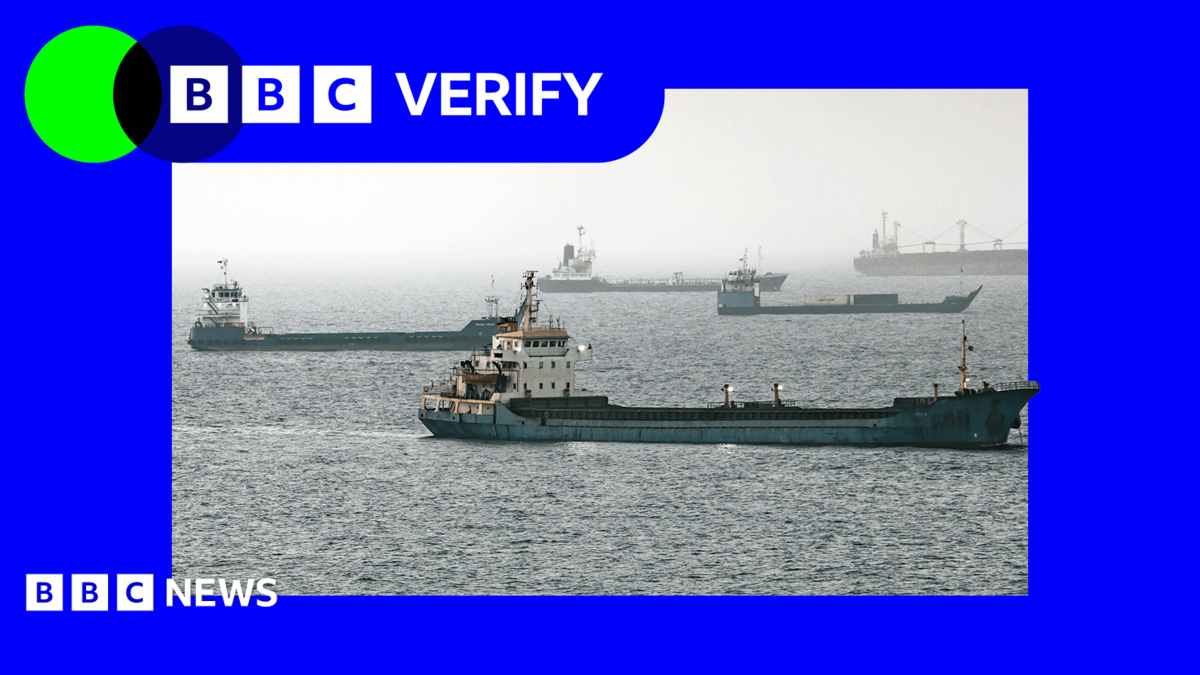
Traffic through the Strait of Hormuz has fallen significantly following renewed military exchanges between the United States and Iran, raising fresh concerns over global energy supplies and international shipping.
According to maritime intelligence firm Kpler, only 23 oil tankers and cargo ships crossed the strategic waterway on Wednesday, down from 47 vessels a week earlier. Before the recent conflict, the strait handled an average of 138 ships each day, making it one of the world's busiest and most important shipping routes.
The decline follows attacks on three commercial vessels earlier this week. The ships, including liquefied natural gas and crude oil tankers, were travelling along a US-recommended shipping route through Omani waters when they were struck. After the attacks, ship operators rapidly reduced or suspended the use of the route due to growing security concerns.
Iran has continued to insist that commercial vessels should use shipping lanes it has designated closer to its coastline, arguing that they are the only safe routes through the strait. The United States and its allies reject that position, maintaining that international shipping should enjoy free passage through the waterway.
The Strait of Hormuz is one of the world's most critical maritime routes, carrying more than one-fifth of global oil and gas supplies, as well as fertiliser and other essential goods. Any disruption to traffic through the strait has the potential to affect global energy prices and international trade.
Although a ceasefire agreement signed in June briefly restored shipping activity, tensions have resurfaced after the latest attacks and retaliatory strikes. Maritime security analysts say shipping companies are likely to remain cautious until the security situation improves.
Experts also warn that uncertainty over navigation rules and concerns about possible sea mines continue to discourage vessels from returning to pre-conflict traffic levels. As diplomatic negotiations continue, the Strait of Hormuz remains a key flashpoint with major implications for the global economy.


No comments